
Wondering which part of Big Sky fits the way you actually want to live and use property? That question matters more than many buyers expect, because Big Sky’s Resort, Meadow, and Canyon areas each offer a very different mix of access, services, setting, and housing. If you are comparing options for a second home, full-time residence, or investment-minded purchase, this guide will help you sort through the tradeoffs with more clarity. Let’s dive in.
Big Sky is commonly divided into three areas: the Mountain or Resort area, the Meadow, and the Canyon. While that sounds simple on paper, the real differences go beyond geography.
Your experience can change a lot depending on where you buy. Lift access, walkability, transit options, utility and service patterns, and the type of inventory available can all vary from one area to the next.
Big Sky also spans more than one county, and infrastructure is not uniform across the community. That makes location a practical decision as much as a lifestyle one.
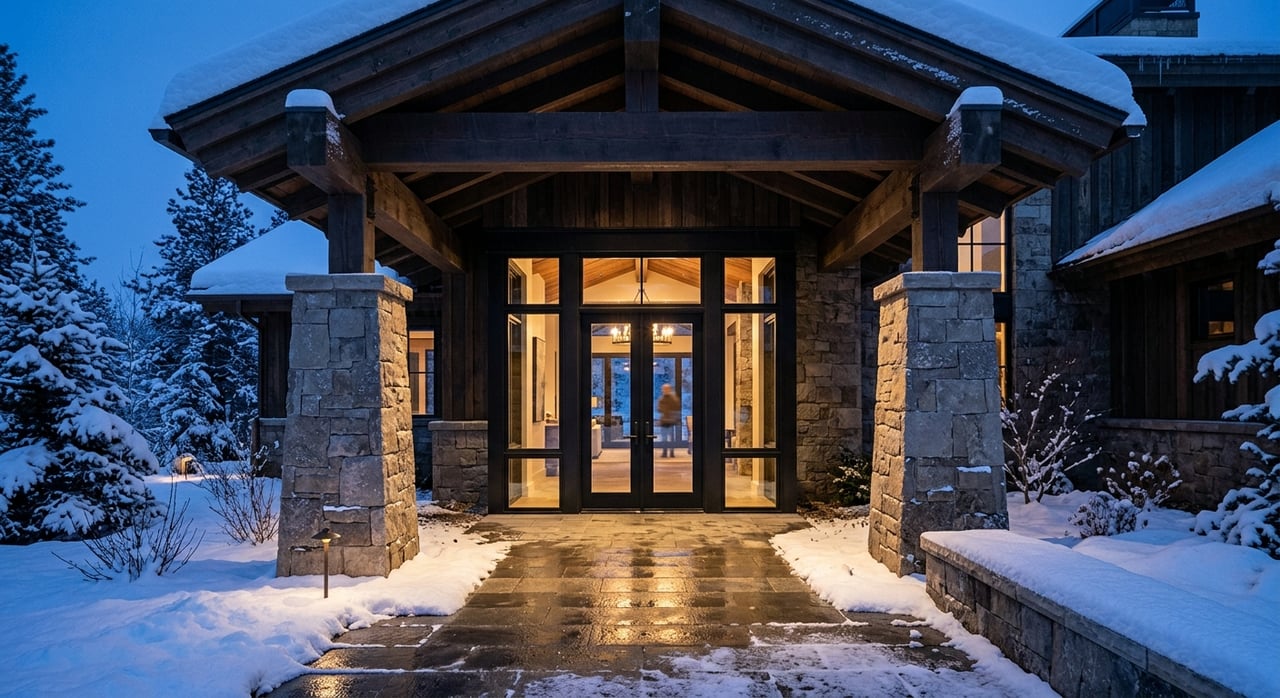
The Resort area is centered around Big Sky Resort and includes places such as Mountain Village, Moonlight Basin, Montage, and One&Only. This is the most resort-focused part of Big Sky and the clearest choice if being close to skiing is your top priority.
Big Sky Resort offers 5,850 skiable acres, 40 lifts, and 320 named runs, with a 50/50 split between beginner and advanced terrain. Mountain Village serves as the main base area for dining, shopping, lift tickets, gear rentals, and activity access.
In winter, moving between some base areas is easiest by skiing. In summer, there is no lift connectivity between base areas, which is an important detail if you are picturing easy movement across the mountain without a car.
The Resort area tends to feel lively, scenic, and activity-driven during peak seasons. You get immediate access to slopeside dining, après-ski energy, and summer recreation like hiking, biking, ziplining, and summit tours.
That said, shoulder seasons can feel much quieter. Amenities may be more limited outside peak travel periods, which can matter if you want a stronger year-round neighborhood feel rather than a seasonal resort rhythm.
Current Resort-area inventory includes condos, townhouses, detached homes, new construction, and ski-in/ski-out properties. The housing mix supports a luxury-resort profile, with a strong premium tied to immediate mountain access.
Historically, Mountain-area single-family home pricing has sat above other parts of Big Sky. If you are shopping here, it helps to think of your purchase partly as a convenience decision, because proximity to lifts is a major part of the value proposition.
The Resort area may be the right match if you want:
If your biggest priority is daily walkability for groceries, medical care, and year-round community services, you may want to compare the Meadow closely before deciding.
The Meadow is often described as the heart of the Big Sky community. It includes Town Center and Meadow Village Center, which together offer a more everyday version of Big Sky living.
This area stands out for practical convenience. You have access to restaurants, shopping, the Big Sky Medical Center, three grocery stores, summer golf, concerts, a farmers market, winter Nordic skiing, and an outdoor ice rink.
For many buyers, the Meadow offers the easiest balance between lifestyle and daily function. It tends to be the most useful choice if you want Big Sky amenities without being fully immersed in the resort base environment.
The trail network is also a major draw. The Meadow and Town Center include more than 38 miles of multiuse pathways, including the paved Lone Peak Trail and other connected community routes.
Transportation options are more flexible here than in the Canyon, and less ski-centered than in the Resort area. Skyline Connect provides free on-demand service within Meadow Village and Town Center.
The main Skyline Bus also links Town Center, Meadow Village, Mountain Village, and the canyon corridor on a schedule. For buyers thinking about convenience without relying on a car for every short trip, that can be a real advantage.
Official guidance also notes that lodging outside Mountain Village, Montage, or Town Center may still require a car. So while the Meadow is one of the more manageable areas for walkability and services, exact location still matters.
Current Meadow inventory includes condos, houses, and new construction. Compared with the Resort core, the Meadow typically offers a broader mix of property types and a wider range of lifestyle options.
Historically, the Meadow has been one of the most desired areas for residents because of its amenities and walkability. For buyers today, that usually translates to a middle-to-upper-tier market with strong appeal and more variety than the mountain base.
The Meadow may be the best fit if you want:
If you see yourself using Big Sky frequently across all seasons, the Meadow often deserves a serious look.
The Canyon follows Highway 191 along the Gallatin River and is often the first part of Big Sky you encounter when arriving from Bozeman or West Yellowstone. Its appeal is different from both the Resort and the Meadow.
This area is less about walkable village living and more about scenery, privacy, and outdoor access. Visitor information highlights fishing, whitewater rafting, horseback riding, hiking, and scenic viewpoints, along with the practical note that cell service can be limited.
The Canyon has a quieter, more spread-out feel. If you want a retreat-like setting with a stronger connection to the river corridor and a lower-density environment, this area can be very appealing.
At the same time, it is the most car-dependent of the three areas. Transportation is considered essential in the Canyon, and Skyline Connect does not serve it.
This is one of the most important due-diligence points for Canyon buyers. Centralized water and sewer service are available in Meadow, Town Center, and Mountain Village, while service also extends south along Highway 191 in some areas.
Properties outside those service areas may rely on wells and septic systems. If you are comparing homes or land in the Canyon corridor, utility setup should be part of your property review from the start.
Current Canyon inventory includes detached homes and land parcels. That aligns with the area’s more rural and low-density character.
The Canyon often appeals to buyers who want more property-type flexibility, including acreage, land, or a quieter setting removed from the resort core. It remains a high-cost mountain market, but the value equation is often tied more to privacy, landscape, and property profile than to resort immediacy.
The Canyon may be right for you if you want:
If your ideal Big Sky experience looks more rustic and less village-centered, the Canyon can be a strong match.
Here is a simple way to think about the differences when narrowing your search.
| Area | Best known for | Lifestyle feel | Transportation | Typical inventory |
|---|---|---|---|---|
| Resort | Lift access | Active, seasonal, resort-focused | Best near base areas, winter movement can be ski-based | Condos, townhomes, detached homes, ski-in/ski-out |
| Meadow | Year-round convenience | Community-centered, practical, balanced | Bus service plus on-demand service in key areas | Condos, houses, new construction |
| Canyon | Privacy and scenery | Quiet, spread out, outdoor-oriented | Most car-dependent | Detached homes, land parcels |
The best area depends on how you plan to use the property, not just what looks best in a listing search. A slopeside condo can be perfect for one buyer and completely wrong for another.
Ask yourself a few practical questions:
If lift access is your top priority, start with the Resort area. If you want daily convenience and community amenities, focus on the Meadow. If privacy, scenery, and a quieter setting matter most, the Canyon may give you the best fit.
For many Big Sky buyers, this is not just a lifestyle purchase. It can also be a long-term asset, a seasonal base, a retirement plan, or part of a broader investment strategy.
That is why area comparison should go beyond first impressions. The right decision often comes from understanding how location affects access, services, utility patterns, housing type, and the premium built into the price.
Planning documents indicate that much of Big Sky’s future housing and nonresidential development will continue to concentrate in the Meadow, Town Center, and Mountain Village areas. That reinforces the importance of choosing between compact activity centers and lower-density settings based on how you want the property to function over time.
If you want help comparing Big Sky’s Resort, Meadow, and Canyon areas through both a lifestyle and property-strategy lens, Cheryl Ridgely can help you evaluate which location best fits your goals.
Cheryl leads with passion and professionalism and specializes in second homes, vacation rentals, investment, commercial, and development properties. If you’re looking for local market knowledge and insight, connect with Cheryl as a trusted resource.
CHERYL RIDGELY
1805 W Dickerson St Bozeman, MT 59715