
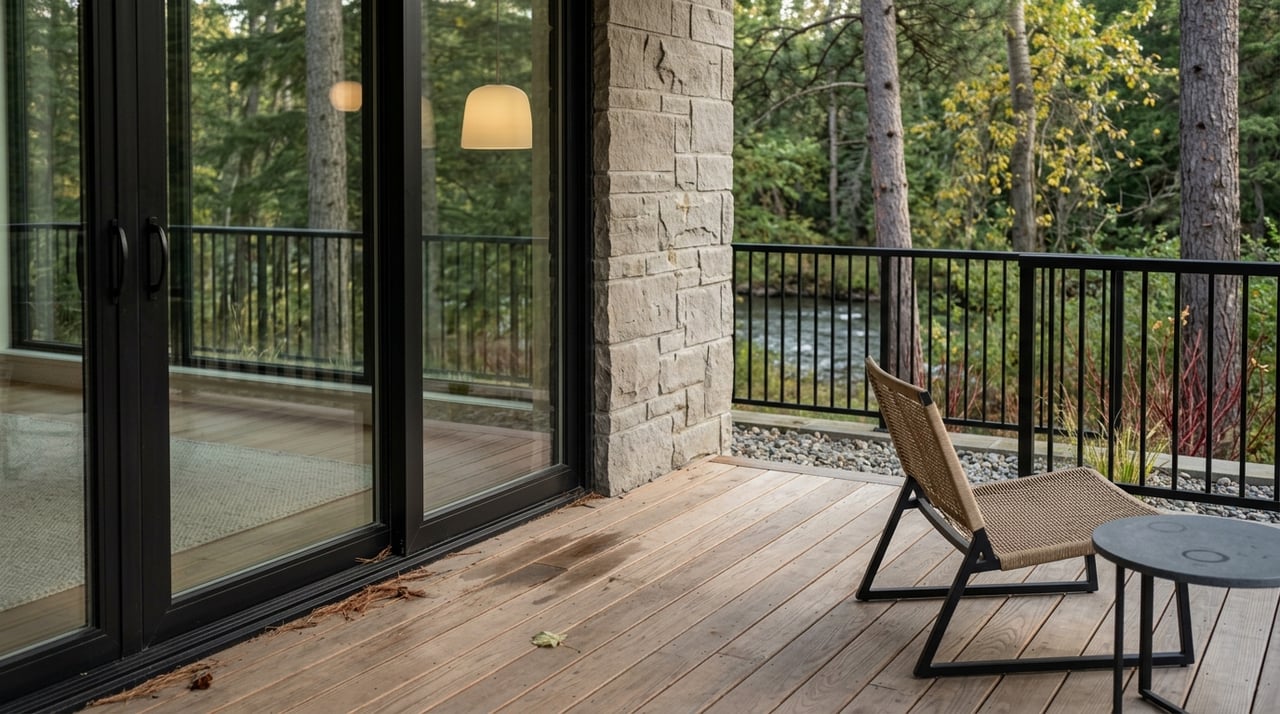
If you are drawn to mountain living but want more than a postcard view, Gallatin Canyon offers a different kind of daily experience. Life along the Gallatin River is shaped by public land, changing seasons, river access, and the practical realities that come with owning property in a wild and scenic corridor. If you are considering a home, cabin, second home, or investment-minded purchase near the river, this guide will help you understand what makes the area special and what you need to evaluate before you buy. Let’s dive in.
Gallatin Canyon follows the Gallatin River along US 191, creating a corridor that feels both connected and remote. According to Montana Fish, Wildlife & Parks, the Gallatin is a 115-mile river that begins in Yellowstone and runs about 44 miles through the canyon.
That geography shapes the entire lifestyle. Much of the upper river is bordered by Yellowstone National Park and Gallatin National Forest, so you are not looking at a typical neighborhood pattern with dense subdivisions and closely packed streets. Instead, you are stepping into a landscape where public lands, open space, and river frontage define the setting.
One of the biggest draws of Gallatin Canyon is its mix of access and seclusion. US 191 closely parallels the river for much of the canyon, which means you can reach trailheads, recreation sites, and homes along the corridor without losing the sense that you are living in a more natural, less built-up environment.
The Custer Gallatin National Forest identifies the Gallatin Canyon and Highway 191 corridor as a destination for hiking, backpacking, fishing, and scenic drives. In practical terms, that means the canyon is not just a route to somewhere else. It is a destination in its own right.
You can see that outdoor focus in the layout of the area. Places like Spanish Creek Trailhead, Spanish Creek Picnic Area, Storm Castle Creek Trailhead, and Gallatin Forks Fishing Access Site show how strongly the corridor is organized around recreation and river access.
For many buyers, the river is the reason Gallatin Canyon stands out. Montana Fish, Wildlife & Parks describes the Gallatin as a blue-ribbon trout stream with abundant rainbow and brown trout, managed as a wild trout fishery that emphasizes habitat protection and natural reproduction.
This is not a quiet niche fishery with occasional use. FWP reports that angler use reached about 125,000 angler-days in 2019, which gives you a sense of how important the river is to the region and to the people who spend time here.
If you love the outdoors, the lifestyle value goes well beyond fishing. Developed access points and trailheads support everything from day hikes to backcountry exploration, and some sites offer practical amenities like parking, toilets, and drinking water.
If river access is part of your property goals, it helps to know that use of the Gallatin comes with real rules and management considerations. Current Montana fishing regulations state that fishing from boats or vessels is closed from Yellowstone National Park to the East Gallatin River, even though the Gallatin River overall remains open under standard district rules unless a section-specific closure applies.
That distinction matters if you are buying with a recreation plan in mind. A home near the river may offer excellent access to the lifestyle you want, but the specifics of how you use the river should always match current state regulations.
Spanish Creek Trailhead is one of the corridor’s better-developed recreation assets, with parking, toilets, drinking water, and access into the Spanish Peaks area. Storm Castle Creek is another well-known access point, although road conditions there can be more demanding.
For many buyers, this is part of the appeal. You are not only buying a home site or mountain retreat. You are buying into a place where trailheads, river pullouts, picnic areas, and scenic drives become part of your weekly routine.
In Gallatin Canyon, the seasons do not simply change the view. They shape how the area functions.
Wildlife management, road conditions, and recreational access all follow a seasonal calendar. For example, Montana Fish, Wildlife & Parks closes the Gallatin River segment from Porcupine Creek Road to the West Fork confluence from December 1 to the third Saturday in May to support wintering wildlife on the Gallatin Wildlife Management Area.
The Gallatin Wildlife Management Area itself is managed as secure winter habitat for elk and moose and is open only from May 15 to November 30. That tells you a lot about the character of the corridor. Wildlife needs are not secondary here. They are built into how the landscape is managed.
Weather also affects access in practical ways. Spanish Creek Picnic Area is weather dependent from mid-May to mid-September, and the last two miles of Storm Castle Creek Road are not recommended for low-clearance vehicles and are unreachable by vehicle in winter.
If you are considering property along the river or deeper into the canyon, it is smart to think in all four seasons. Winter drivability, snow management, wildlife presence, and seasonal access can influence not just your enjoyment of the property, but also day-to-day logistics.
This is especially important for second-home buyers and out-of-area owners. A property that feels easy and carefree in July may require a more deliberate plan in December.
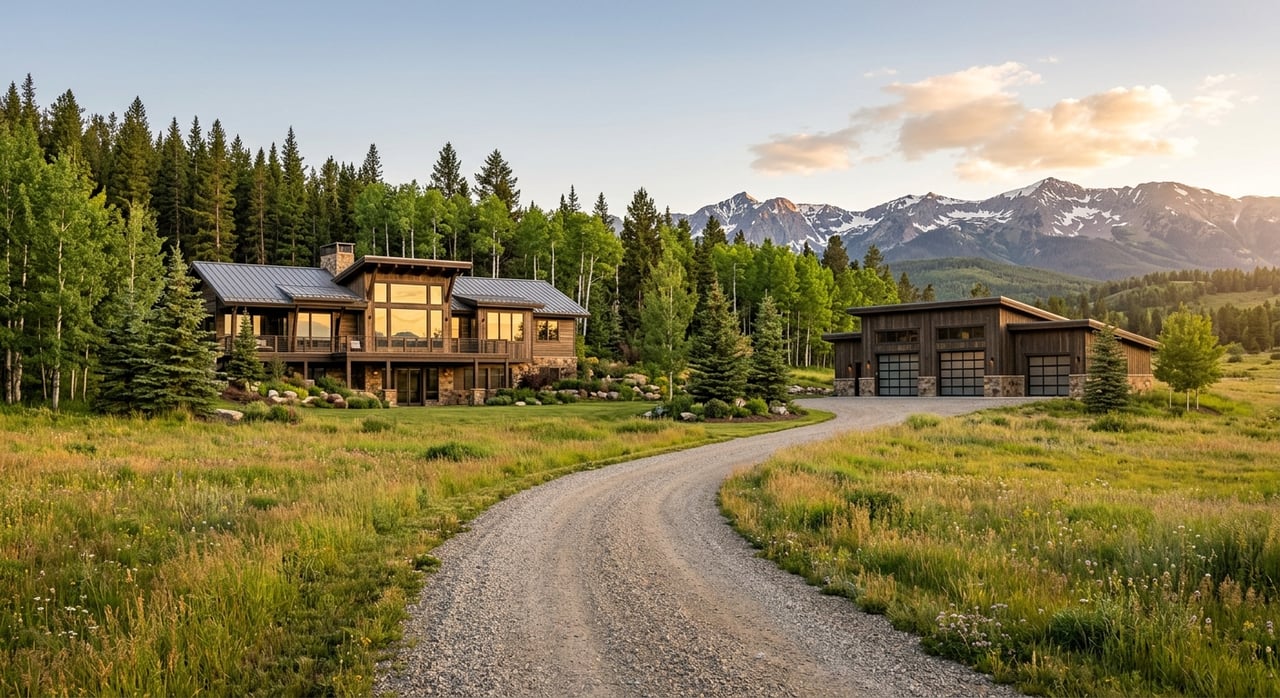
Gallatin Canyon tends to offer a more low-density, lifestyle-oriented housing pattern than what you see in more conventional residential neighborhoods. Based on the research, the area is associated with riverfront settings, cabin-style lodging, custom homes, and retreat-style properties rather than tract-style development.
That does not mean every property looks the same. It does mean buyers are often evaluating more bespoke opportunities, where site characteristics, access, zoning, and long-term use matter as much as square footage.
For Cheryl Ridgely’s clients, this is where local guidance becomes especially valuable. In a corridor like this, a property decision often reaches beyond the home itself and into questions about use, maintenance, regulations, and long-term fit.
If you are considering a property for part-time personal use with possible rental income, do not assume short-term rental use is automatically allowed. Gallatin County states that short-term rentals are only permitted where the zoning district allows them.
The county’s short-term rental guidance notes that the Gallatin Canyon/Big Sky district is one of only two zoning districts that specifically mention short-term rentals. The zoning code also lists single-family dwelling units and short-term rentals among permitted uses in several subdistricts.
That said, the details matter. Applicable permits and licenses are required, overnight lodging must stay inside the dwelling unit, and using the property for weddings, concerts, fundraisers, or other non-lodging functions is prohibited.
For buyers, the takeaway is simple. If rental use is part of your strategy, verify the exact zoning subdistrict and any use requirements before you move forward.
This is one of those areas where broad assumptions can create expensive mistakes. A property may fit your lifestyle goals beautifully, but if the intended use does not align with county rules, the asset may not perform the way you expected.
Owning near the Gallatin River can be incredibly rewarding, but river-oriented property comes with added layers of review. Floodplain mapping, setbacks, wastewater approvals, and access planning all deserve close attention.
Gallatin County floodplain materials list the Gallatin River and West Gallatin River among the county’s mapped watercourses. County subdivision regulations also require a 300-foot setback from the ordinary high-water mark along the East and West Gallatin, Madison, Jefferson, and Missouri rivers, while other watercourses require a 150-foot setback.
In some cases, watercourse mitigation plans may address setbacks, buffers, septic systems, stormwater, erosion, and flood risk. That means the usable footprint and development options for a property may be more nuanced than they first appear.
In a canyon setting, wastewater is often a critical part of the property review process. Gallatin County land-use permit instructions state that on-site septic projects need an approved septic permit from the Gallatin City-County Health Department.
The county health code also governs subsurface wastewater systems and requires a COSA or site evaluation for an application. If you are buying land, an older cabin, or a property with expansion plans, these approvals should be part of your early due diligence.
Road access matters more in Gallatin Canyon than it does in a typical in-town neighborhood. The Montana Department of Transportation’s wildlife-crossing work at the mouth of Gallatin Canyon is designed to reduce wildlife-vehicle collisions on US 191, reinforcing how important the corridor is for both travel and wildlife movement.
MDT has also proposed replacing the Spanish Creek Bridge and improving a stretch of US 191 south of Gallatin Gateway. For buyers, that is a reminder to confirm legal access, road maintenance, winter conditions, and the possibility of periodic roadwork when evaluating a home or land purchase.
Life along the Gallatin River often appeals to buyers who want a stronger connection to the outdoors and a more intentional pace. You may be waking up near moving water, planning your week around trail access, and paying closer attention to snowfall, runoff, and wildlife patterns than you would in a more urban setting.
That can be the best part of the lifestyle. It can also be the part that requires the most thoughtful planning.
The premium in Gallatin Canyon is not just about scenery. It is about access to a place where public land, recreation, and natural systems still shape everyday life. For the right buyer, that is exactly the point.
If you are thinking about buying or selling in Gallatin Canyon, it helps to work with someone who understands both the lifestyle draw and the property-level details that can affect long-term value and usability. To talk through riverfront considerations, zoning questions, second-home strategy, or the realities of ownership in this corridor, connect with Cheryl Ridgely.
Cheryl leads with passion and professionalism and specializes in second homes, vacation rentals, investment, commercial, and development properties. If you’re looking for local market knowledge and insight, connect with Cheryl as a trusted resource.
CHERYL RIDGELY
1805 W Dickerson St Bozeman, MT 59715