
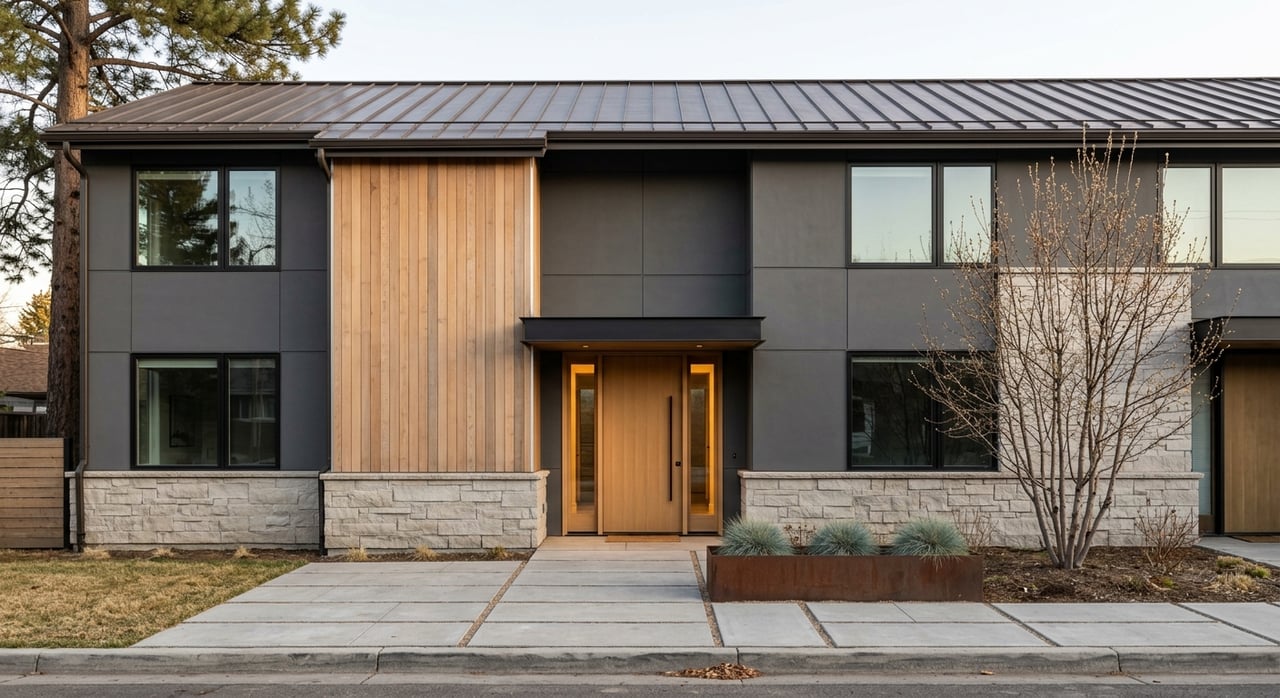
If you are thinking about living near downtown Bozeman, you are probably wondering whether the lifestyle really matches the hype. The short answer is yes, if you value convenience, character, and being close to the city’s daily energy. From coffee runs and local events to quick trail access and historic homes, living near downtown offers a distinct way of life. Let’s take a closer look.
Living near downtown Bozeman means you are close to the traditional heart of the city. The Downtown Bozeman Association describes downtown as a center of business, culture, and entertainment, and the City of Bozeman calls Main Street the heart of commerce and culture in southwest Montana.
That shapes your day-to-day experience in a real way. Instead of feeling tucked away in a quieter suburban setting, you are living near restaurants, shops, events, and historic streets that tend to stay active throughout the year.
One of the biggest draws of living near downtown is that many everyday outings can be done on foot or by bike. Bozeman as a whole has a Walk Score of 47, a Transit Score of 21, and a Bike Score of 62, which means the city is not fully walkable by big-city standards.
Still, downtown stands out because amenities are more concentrated there. If you live nearby, it is easier to walk to coffee, lunch, dinner, errands, and seasonal events than it would be from many other parts of town.
For many buyers, downtown Bozeman supports a car-light lifestyle rather than a car-free one. You may be able to handle some daily routines without driving, especially if your priorities are dining out, meeting friends, attending events, or enjoying nearby trails.
That said, many residents still keep a car for shopping outside the core, broader Gallatin Valley travel, and winter conditions. This is an important part of the tradeoff when you compare downtown living with more suburban parts of Bozeman.
Streamline offers fare-free service and runs several in-town routes. The weekday Blueline connects Montana State University, downtown Bozeman, Walmart, Smiths, and the north Bozeman shopping center, with a downtown transfer stop at Mendenhall and Black.
That can be useful if you want another option for getting across town. It may not replace a car for every household, but it does add flexibility to downtown living.
Parking near downtown is convenient, but it comes with rules you will want to understand. According to the City of Bozeman, on-street parking is free for two hours, and the parking garage is free for the first two hours and then $1 per hour after that.
Monthly permits are also available in surface lots and the garage. In winter, city rules like the rolling rule and snow-hazard towing matter, so if you live near downtown, it helps to plan ahead for seasonal parking logistics.
Downtown Bozeman packs a lot into a compact area. The district is known for a broad mix of shopping, dining, galleries, and local businesses, which is a big part of why so many people enjoy living nearby.
The food and coffee scene is especially woven into everyday life. Local spots like Rockford Coffee, Treeline Coffee Roasters, Community Food Co-op Downtown, Western Cafe, Aurore Bakery, and J.W. Heist help create the kind of neighborhood rhythm that makes quick outings easy and enjoyable.
When people think about downtown living, they often focus on entertainment. But for many residents, the real benefit is simpler than that. It is the ability to grab a coffee, meet someone for lunch, pick up groceries, or head out for dinner without building your whole day around a drive.
That convenience can be especially valuable if you are relocating, downsizing, buying a second home, or simply looking for a more connected lifestyle.
Living near downtown also means being close to some of Bozeman’s best-known annual events. The Downtown Bozeman Association highlights signature events like Restaurant Week, Art Walk, Music on Main, Christmas Stroll, Crazy Days, and Cruisin’ on Main.
Art Walks run from June through September, adding even more activity to the warmer months. For many people, this is one of the most appealing parts of the area. Downtown is not just where you go once in a while. It becomes part of your regular routine.
Downtown Bozeman has a strong arts and performance presence for a city its size. The Ellen Theatre sits on Main Street, and the Emerson Center for the Arts & Culture operates from a large historic building with 58 arts-and-culture tenants.
The Bozeman Symphony also has its office downtown, with performances at Willson Auditorium. If you enjoy live performance, galleries, and local cultural programming, living near downtown puts you close to it without requiring much planning.
One of Bozeman’s biggest advantages is how quickly you can get from town life to outdoor recreation. The Gallatin Valley Land Trust says the Main Street to the Mountains trail system now totals nearly 100 miles and serves commuters, runners, bikers, hikers, birdwatchers, and stargazers.
If you live near downtown, that outdoor access feels especially immediate. You can enjoy an urban routine and still get onto a trail without a major time commitment.
The Gallagator Trail runs diagonally through the center of town and passes places like Sculpture Park, Bogert Pool, and Langhor Park. It is commonly used to commute to Montana State University or downtown Bozeman.
Burke Park, also known as Peets Hill, sits just blocks from Main Street and is popular for walking, running, biking, off-leash dogs, and winter sledding. These nearby options make it easier to fit outdoor time into an ordinary weekday.
If you want a bigger outing, trailheads are still close. Drinking Horse Mountain Trail is about a 10-minute drive from downtown and offers a 2.1-mile loop with around 700 feet of elevation gain.
The College M Trail is another nearby option and is often treated as a quick, steep local hike. Just keep in mind that seasonal conditions matter, since icy winter surfaces and muddy shoulder seasons can affect trail use.
Close-in Bozeman has an older housing fabric that feels different from newer subdivisions. The City of Bozeman notes that Cooper Park includes about 250 early-20th-century frame houses, with bungalow homes as the predominant style, plus Queen Anne and Colonial Revival architecture.
Other nearby historic districts add to that variety. Bon Ton is known for larger homes on larger lots, while North Tracy and South Tracy and South Black include compact historic areas with bungalows and older vernacular houses.
Near the Main Street Historic District, housing tends to include historic homes, small-lot infill, condos, townhomes, and mixed-use buildings. That creates more variety than you might expect if you are coming from a market where downtown housing is limited to older apartments or luxury towers.
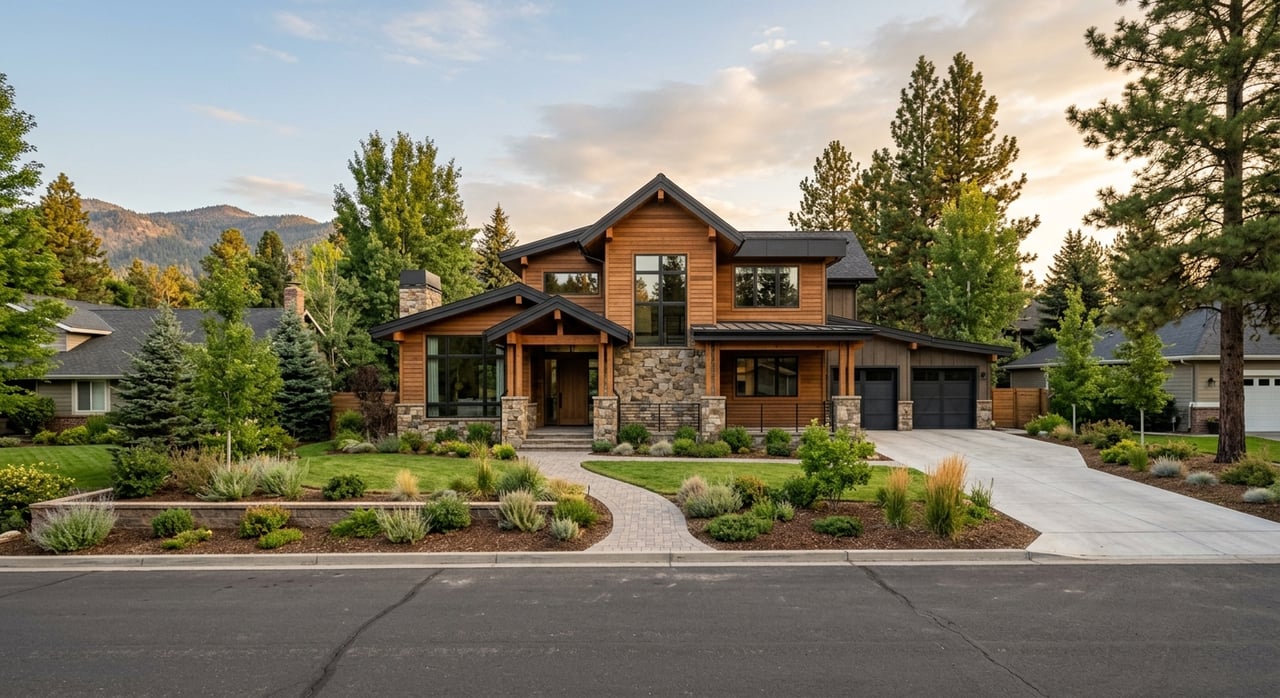
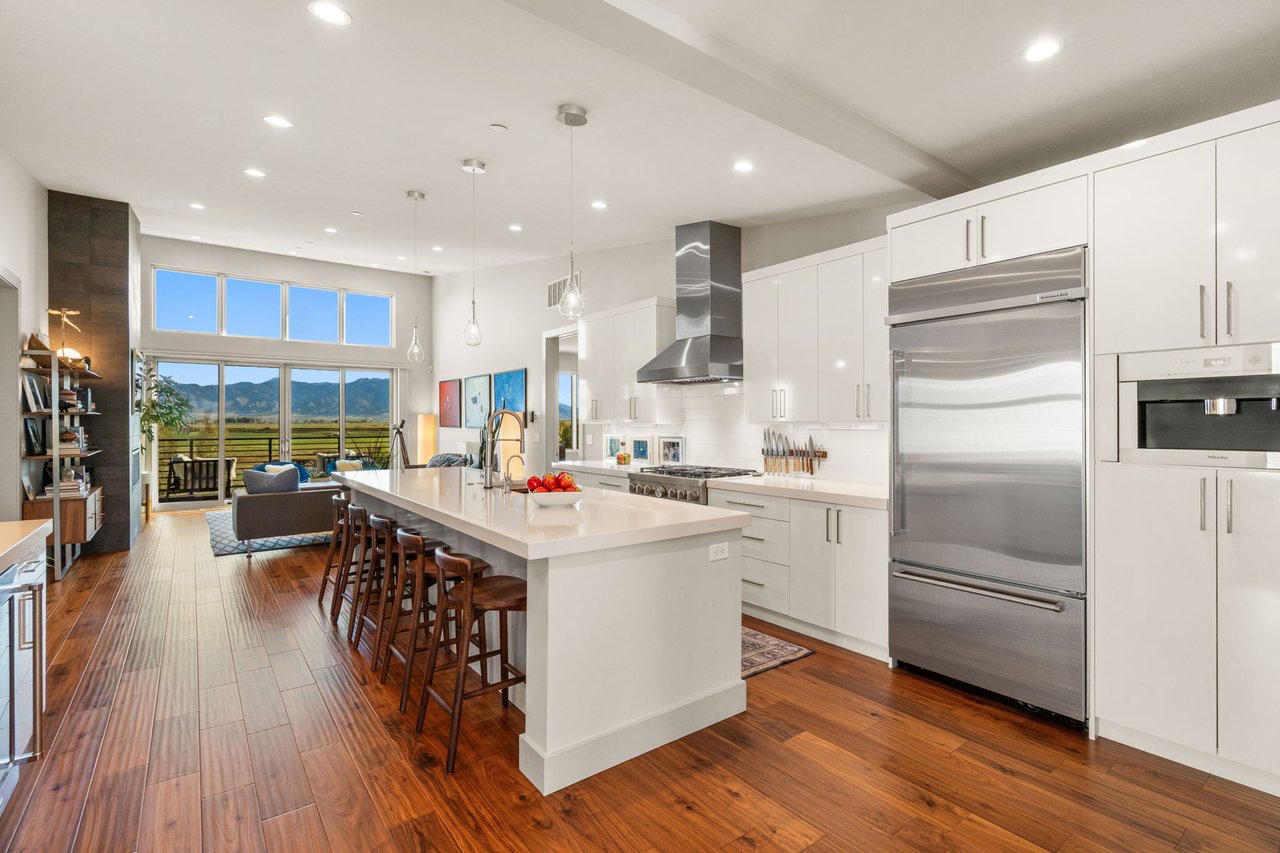
For buyers, this means your options may include a smaller historic condo, a renovated unit, or a higher-end townhome with lower-maintenance living. The mix can appeal to full-time residents, second-home buyers, and people who want a lock-and-leave property closer to the center of town.
Downtown convenience and character come at a cost. Broader market data from March 2026 showed a Bozeman median sale price of $674,500 on Redfin, while Realtor.com reported a median listing price of $779,000, with 749 homes for sale and a median of 54 days on market.
The exact numbers differ by source, but the message is consistent. Bozeman is an expensive market by national standards, and close-in areas near downtown can carry an even higher premium depending on the property type and location.
Neighborhood snapshots help show the spread. Realtor.com reported a median listing price of $1.35 million in North East, $950,000 in Cooper Park, $624,900 in Valley Unit, and $405,000 in Bozeman Ponds.
Current downtown-core listings show that range even more clearly. Examples include a one-bedroom condo in the Main Street Historic District listed at $660,000, along with townhome and condo listings around $1.299 million, $1.395 million, $1.999 million, and $2.65 million.
Living near downtown Bozeman tends to fit buyers who value lifestyle convenience, local businesses, events, and older neighborhood character. It can be a strong match if you are comfortable trading a larger yard and lower price point for a more central location.
It may also appeal to second-home buyers or buyers who want lower-maintenance living with easy access to dining, arts, and trails. If your goal is to be in the middle of Bozeman’s daily energy, downtown and nearby close-in neighborhoods deserve a serious look.
The biggest tradeoff is simple. You are often paying more per square foot for location, access, and lifestyle. In return, you may get less space, tighter parking, and a little more seasonal logistics than you would in other parts of Bozeman.
For many buyers, that is well worth it. The key is knowing your priorities and understanding how the property will support both your lifestyle and your long-term plans.
If you are weighing whether downtown Bozeman fits your needs, it helps to look beyond photos and list prices. You want to understand how walkability, housing type, parking, and everyday rhythm will affect your experience over time. For thoughtful local guidance on Bozeman neighborhoods, close-in housing options, second homes, and investment-minded property decisions, connect with Cheryl Ridgely.
Cheryl leads with passion and professionalism and specializes in second homes, vacation rentals, investment, commercial, and development properties. If you’re looking for local market knowledge and insight, connect with Cheryl as a trusted resource.
CHERYL RIDGELY
1805 W Dickerson St Bozeman, MT 59715